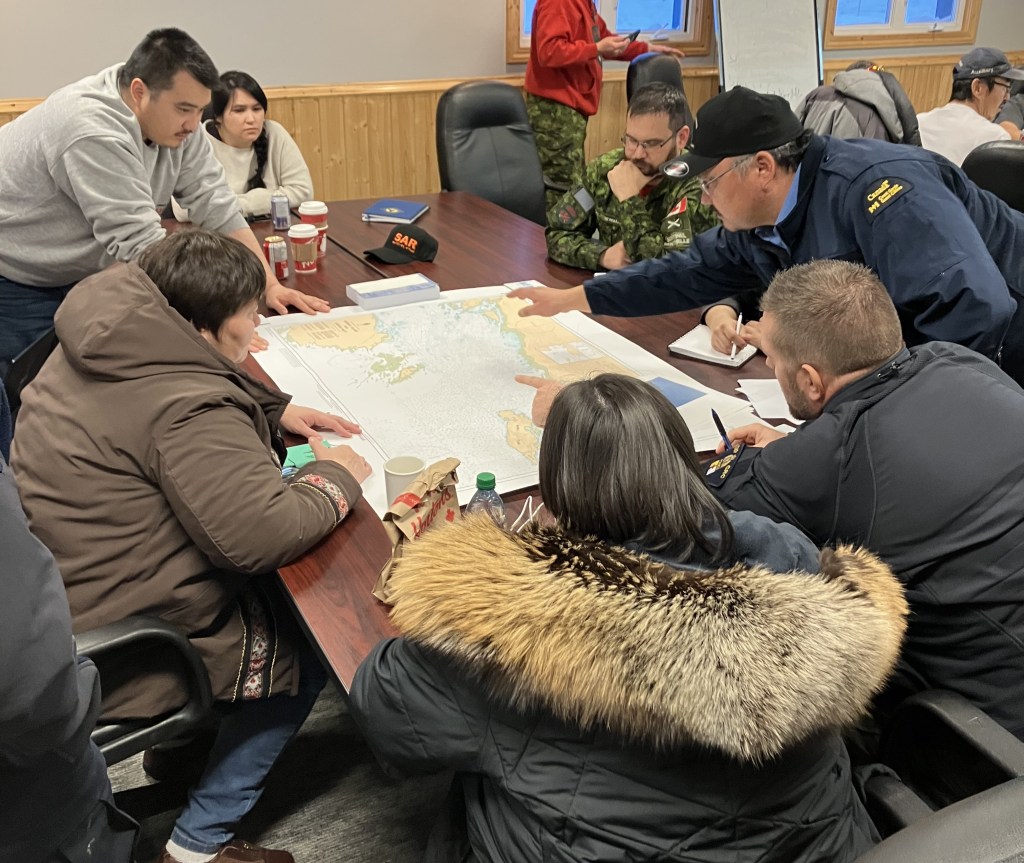
The Nunavut SAR Roundtable was created in response to repeated calls from Nunavummiut for review and discussion of the territory’s SAR system. In January 2020, Nunavut Emergency Management and its academic partners held the first roundtable in Cambridge Bay. It was never envisioned as a one-and-done event, however. The roundtable is an ongoing initiative that provides the time and space to discuss and improve the search and rescue system, offers training opportunities, helps to organize other SAR activities, and strengthens the relationships required for effective SAR operations.
The roundtable is rooted in and guided by Inuit Societal Values and Inuit Qaujimajatuqangit, as set out by the Government of Nunavut:
- Piliriqatigiinniq/Ikajuqtigiinniq – Working together for a common cause.
- Qanuqtuurniq – Being innovative and resourceful.
- Inuuqatigiitsiarniq – Respecting others, relationships and caring for people.
- Pijitsirniq – Serving and providing for family and community.
- Pilimmaksarniq/Pijariuqsarniq – Developing skills through observation, mentoring, practice, and effort.
- Aajiiqatigiinniq – Decision making through discussion and consensus.
- Tunnganarniq – Fostering good spirits by being open, welcoming and inclusive.
- Avatittinnik Kamatsiarniq – Respect and care for the land, animals and the environment
The roundtable is dedicated to fully integrating traditional Inuit Knowledge into the territorial and national SAR systems.
ᓄᓇᕗᒻᒥ ᕿᓂᖅᑏᑦ ᑲᑎᒪᓂᖓᑦ ᑲᑐᔾᔨᖃᑎᒌᓐᓂᐅᕗᖅ ᓄᓇᓕᓐᓂ ᐊᐅᓚᔾᔭᒋᐊᖅᑎᓄᑦ, ᒐᕙᒪᒃᑯᓐᓂ ᑲᒪᔨᓄᑦ, ᖃᐅᔨᓴᖅᑎᓄᓪᓗ. ᑲᑎᒪᔪᑦ ᐱᕕᖃᓲᖑᕗᑦ ᐃᓂᖃᖅᓱᑎᓪᓗ ᐅᖃᖃᑎᒌᓐᓂᕐᒧᑦ ᐱᕚᓪᓕᑎᑦᓯᓂᕐᒧᓗ ᕿᓂᕐᓂᕐᒧᑦ ᐊᐅᐃᓚᓂᐅᔪᓂᒃ, ᒪᓂᒪᑎᑦᓯᑦᓱᑎᒃ ᐃᓕᓐᓂᐊᕋᑦᓴᓂᒃ, ᐃᑲᔪᖅᓱᑎᒃ ᐸᕐᓇᐃᔭᕐᓂᕐᒥᒃ ᐊᓯᖏᓐᓂᒃ ᕿᓂᕐᓂᕐᒧᑦ ᐊᐅᓚᓂᐅᔪᓂᒃ, ᓴᙱᓕᖅᐹᓪᓕᑎᑦᓯᓂᐅᑦᓱᓂᓗ ᑲᓲᒪᓂᐅᒋᐊᓕᓐᓂᒃ ᑲᔪᓯᑦᓯᐊᖁᓪᓗᒋᑦ ᕿᓂᕐᓂᕐᒧᑦ ᐊᐅᓚᓂᐅᔪᑦ.
ᑲᑎᒪᓂᖅ ᒪᙳᖃᖅᐳᖅ ᖃᐅᔨᒪᓕᑕᖃᖅᓱᓂᓗ ᐃᓄᐃᑦ ᐃᓅᓯᕐᒨᖓᔪᓂᒃ ᐊᑐᖅᑐᖁᑎᖏᓐᓂᒃ ᐊᒻᒪᓗ ᐃᓄᐃᑦ ᖃᐅᔨᒪᔭᑐᖃᖏᓐᓂᒃ, ᑕᐃᒫᒃ ᐋᖅᑭᑦᑕᐅᓯᒪᒻᒪᑕ ᒐᕙᒪᒃᑯᖏᓐᓄᑦ ᓄᓇᕗᑦ:
- ᐱᓕᕆᖃᑎᒌᓐᓂᖅ/ᐃᑲᔪᖃᑎᒌᓐᓂᖅ − ᐱᓕᕆᖃᑎᒌᓐᓂᖅ ᐱᔾᔪᑕᐅᔪᒧᑦ.
- ᖃᓄᖅᑑᕐᓂᖅ − ᓴᓇᑐᓂᖃᕐᓂᖅ ᐃᑲᔫᑎᑦᓴᖃᕐᓂᕐᓗ.
- ᐃᓅᖃᑎᒌᑦᓯᐊᕐᓂᖅ − ᐱᒃᑯᒋᔭᖃᕐᓂᖅ ᐃᓅᖃᑎᒥᓂᒃ, ᑲᓲᒪᓂᐅᔪᓂᒃ ᐃᑉᐱᒍᓱᑦᓯᐊᕐᓂᕐᓗ ᐃᓄᓐᓂᒃ
- ᐱᔨᑦᓯᕐᓂᖅ − ᐱᔨᑦᓯᕐᓂᖅ ᐊᑐᐃᓐᓇᐅᑎᑦᓯᓂᕐᓗ ᓇᒻᒥᓂᕆᔭᕐᓄᑦ ᓄᓇᓕᓐᓄᓪᓗ.
- ᐱᓕᒻᒪᒃᓴᕐᓂᖅ/ᐱᔭᕆᐅᖅᓴᕐᓂᖅ − ᐱᔭᕆᐅᖅᐸᓪᓕᐊᕐᓂᖅ ᑕᑯᓐᓈᕐᓂᒃᑯᑦ, ᐅᖃᐅᔾᔪᐃᓂᒃᑯᑦ, ᐱᔭᕆᐊᖅᓴᓂᒃᑯᑦ, ᐱᓇᓱᐊᕐᓂᒃᑯᓪᓗ.
- ᐋᔩᖃᑎᒌᓐᓂᖅ − ᖃᓄᖅᑑᕈᑎᖃᕐᓂᖅ ᐅᖃᖃᑎᒌᓐᓂᒃᑯᑦ ᐊᖏᖃᑎᒌᓐᓂᒃᑯᓪᓗ.
- ᑐᙵᓇᕐᓂᖅ − ᑲᔪᓯᑎᑦᓯᓂᖅ ᐃᓅᓯᑦᓯᐊᕙᒻᒥᒃ ᒪᑐᐃᖔᕐᓂᒃᑯᑦ, ᑐᙵᓇᕐᓂᓕᒃᑯᑦ ᐃᓚᐅᑎᑦᓯᓂᑯᓪᓗ.
- ᐊᕙᑎᓐᓂᒃ ᑲᒪᑦᓯᐊᕐᓂᖅ − ᐱᒃᑯᒋᔭᖃᕐᓂᖅ ᐃᑉᐱᒍᓱᑦᓯᐊᕐᓂᕐᓗ ᓄᓇᒥᒃ, ᐆᒪᔪᕐᓂᒃ, ᐊᕙᑎᒥᓪᓗ.
ᓄᓇᕗᒻᒥ ᕿᓂᖅᑎᓄᑦ ᑲᑎᒪᓂᐅᔪᖅ ᑐᓂᒪᑦᓯᐊᖅᑐᖅ ᐊᑕᖏᖅᑐᒥᒃ ᐃᓚᒍᑦᓯᐅᔾᔨᓂᕐᒥᒃ ᐃᓄᐃᑦ ᖃᐅᔨᒪᓂᖓᓐᓂᒃ ᓄᓇᕗᒻᒥ ᑲᓇᑕᒥᓗ ᕿᓂᕐᓂᒧᑦ ᐊᐅᓚᓂᐅᔪᓄᑦ.
Regional Roundtables, 2020 and 2022
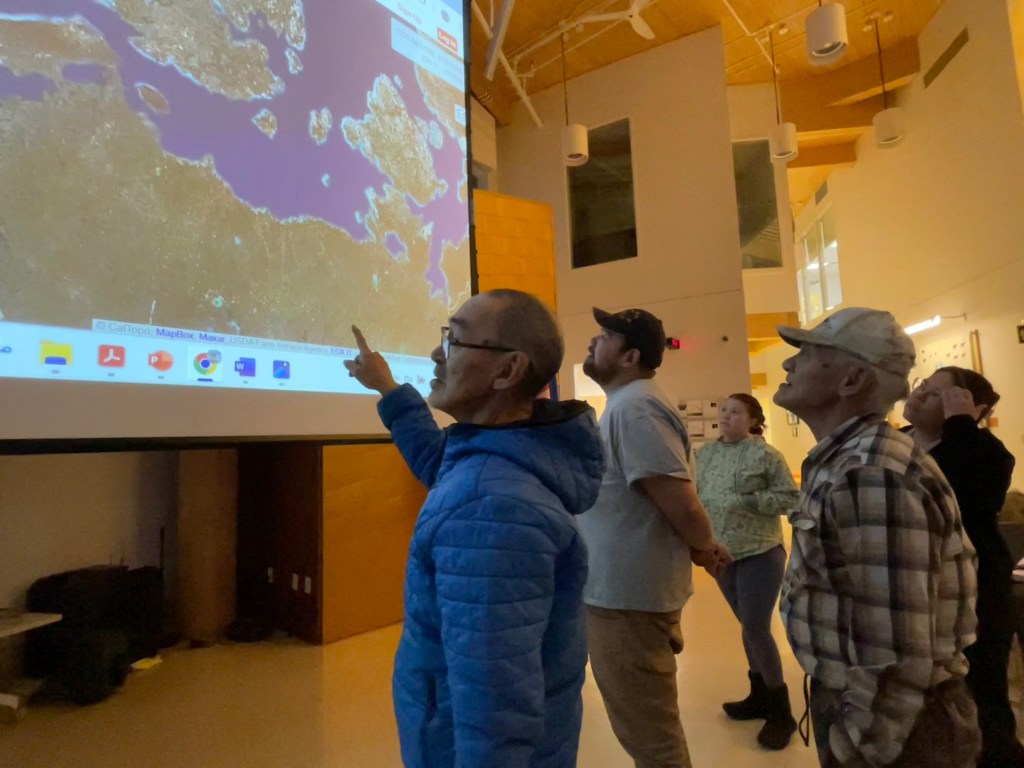
Four regional search and rescue roundtables – the Kitikmeot (held in January 2020 and November 2022), the Qikiqtani (November 2022), and the Kivalliq (November 2022) – brought together almost 100 Inuit responders and over 60 representatives from territorial, federal, non-profit, and Inuit agencies and organizations to discuss the territory’s SAR system. Together, participants:
- Evaluated current SAR policies and plans
- Examined the SAR risks facing communities
- Assessed current SAR capabilities
- Identified strengths, challenges, and areas for improvement
- Documented best practices and lessons
- Discussed solutions and new approaches
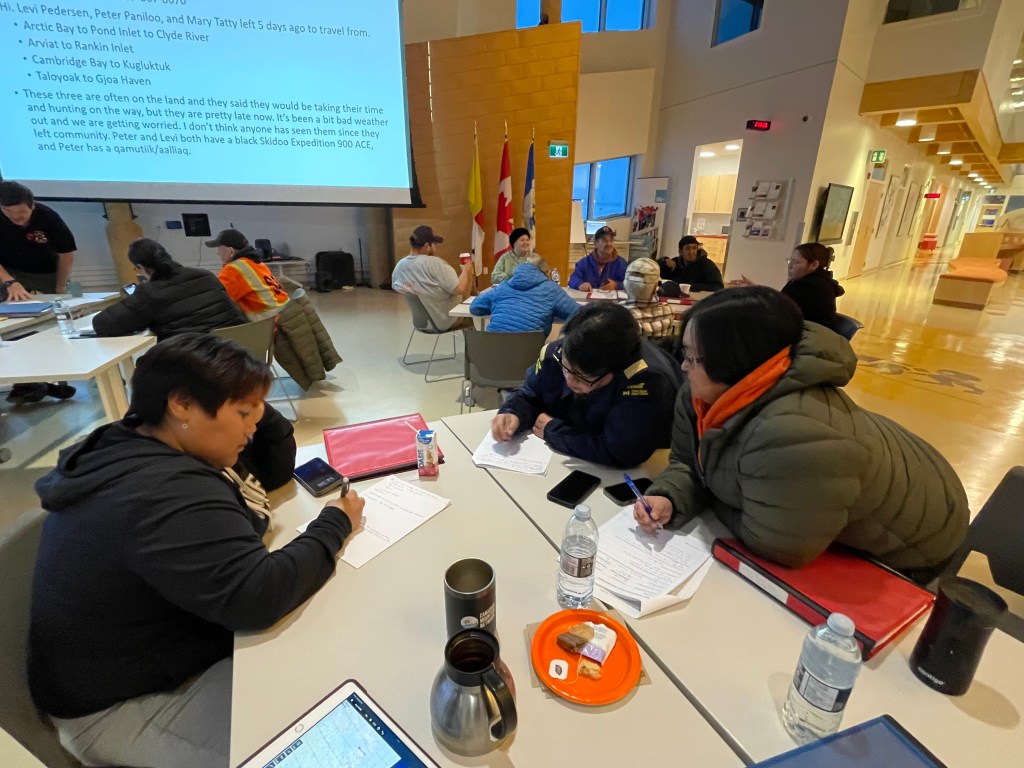
The roundtables also provided an opportunity for community responders to learn from one another and develop a community of practice, while asking their government partners for clarity on policy, procedural, and operational issues. Most importantly, the roundtables offered an opportunity to strengthen the collaborative relationships required for SAR operations in the region. Given that relationship building was a primary objective, the roundtables prioritized the personal conversations shared over coffee and meals as much as the broader discussions involving the entire group.
Perhaps most importantly, the roundtables strengthened the relationships that make effective SAR operations possible. SAR in Nunavut often requires close collaboration, communication, and joint coordination between local, territorial, and federal responders. Opportunities to meet face-to-face are rare and the roundtables allowed SAR partners to get to know one another through discussions and personal conversations over coffee and meals.
Using information collected at the roundtable and follow-up interviews with key participants, a report was produced on the State of Search and Rescue in Nunavut.
Agenda and Participant List – Kitikmeot 2020 and 2022 / Kivalliq 2022 / Qikiqtani 2022
Kitikmeot Roundtable on SAR 2020 Final Report
Regional Roundtables 2022 Final Report
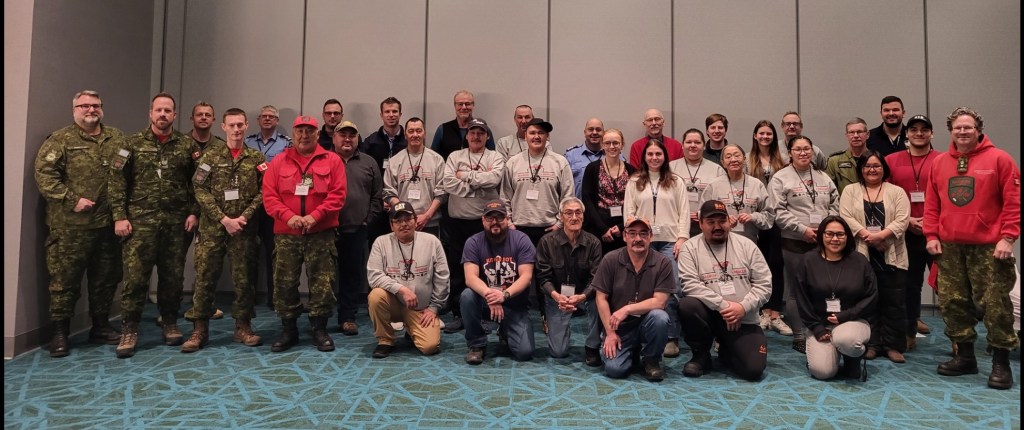


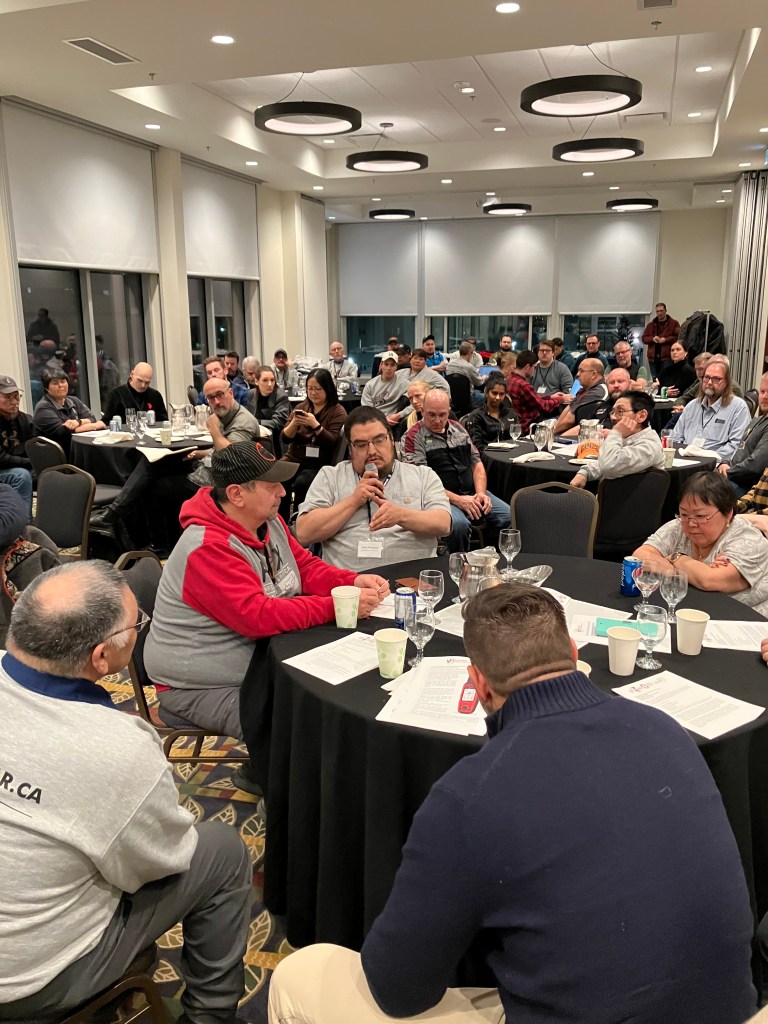


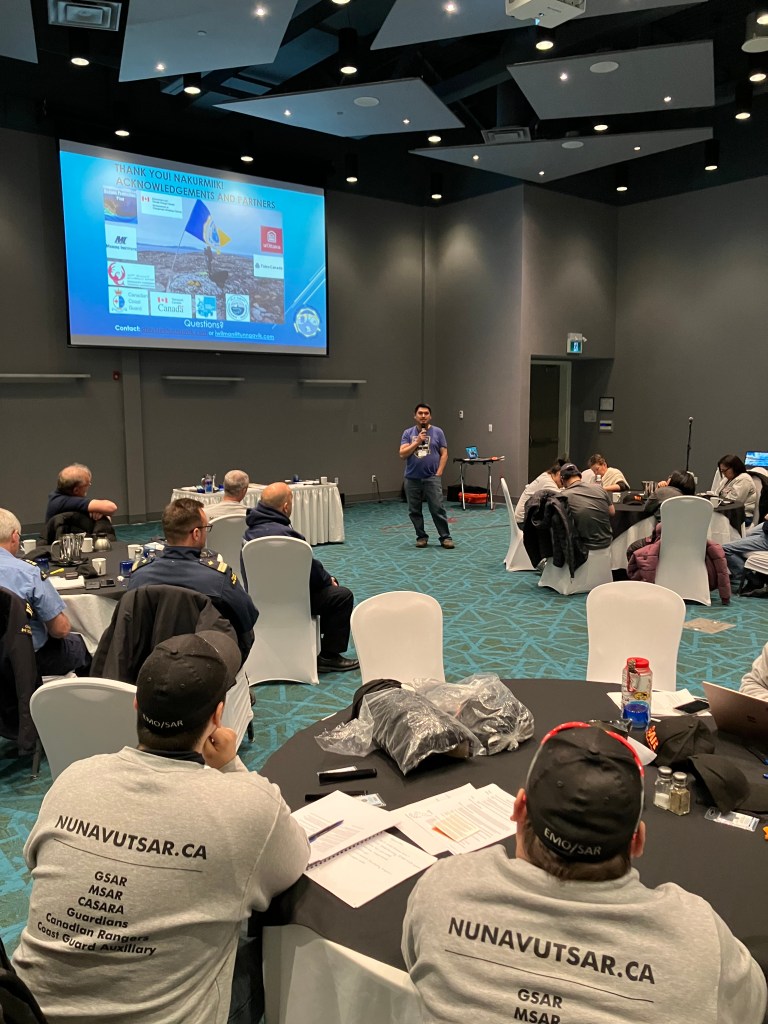

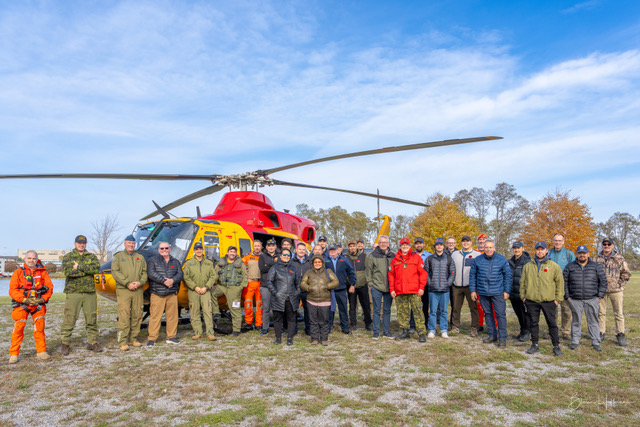
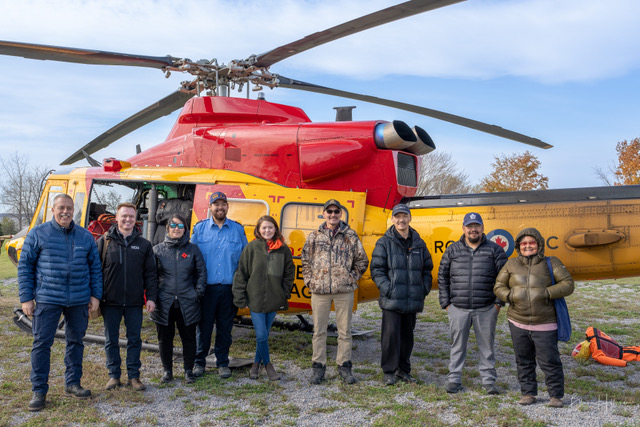
Trenton Arctic SAR Exchange 2023: Working Better Together
Trenton, Ontario, 3-5 November 2023
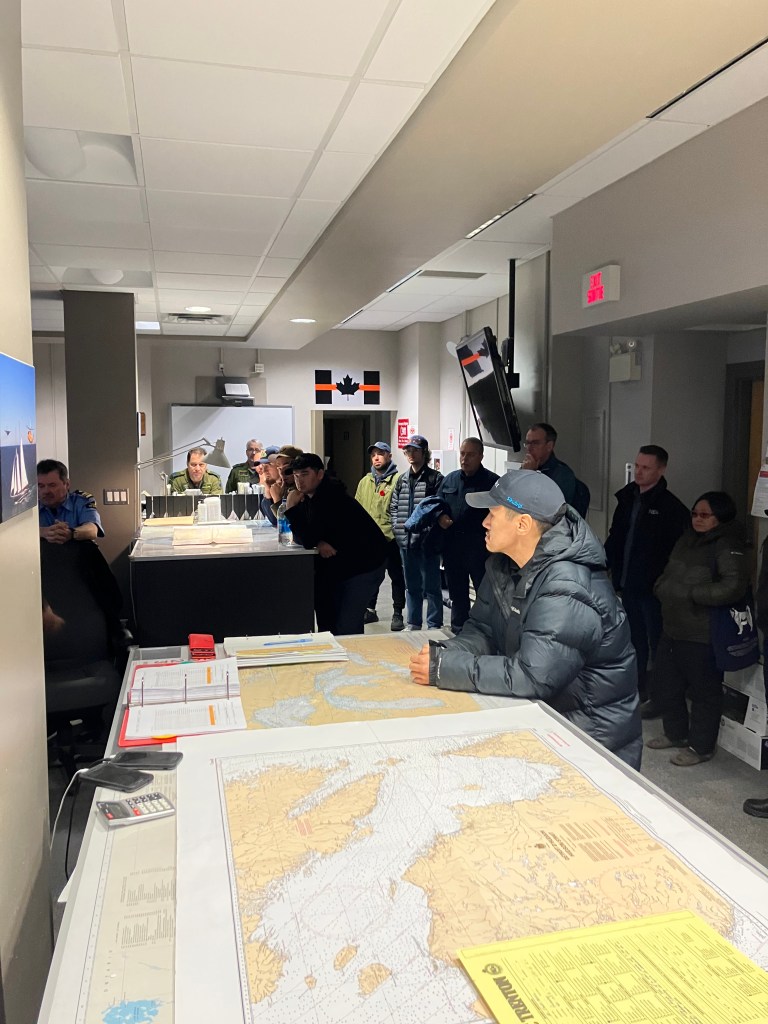
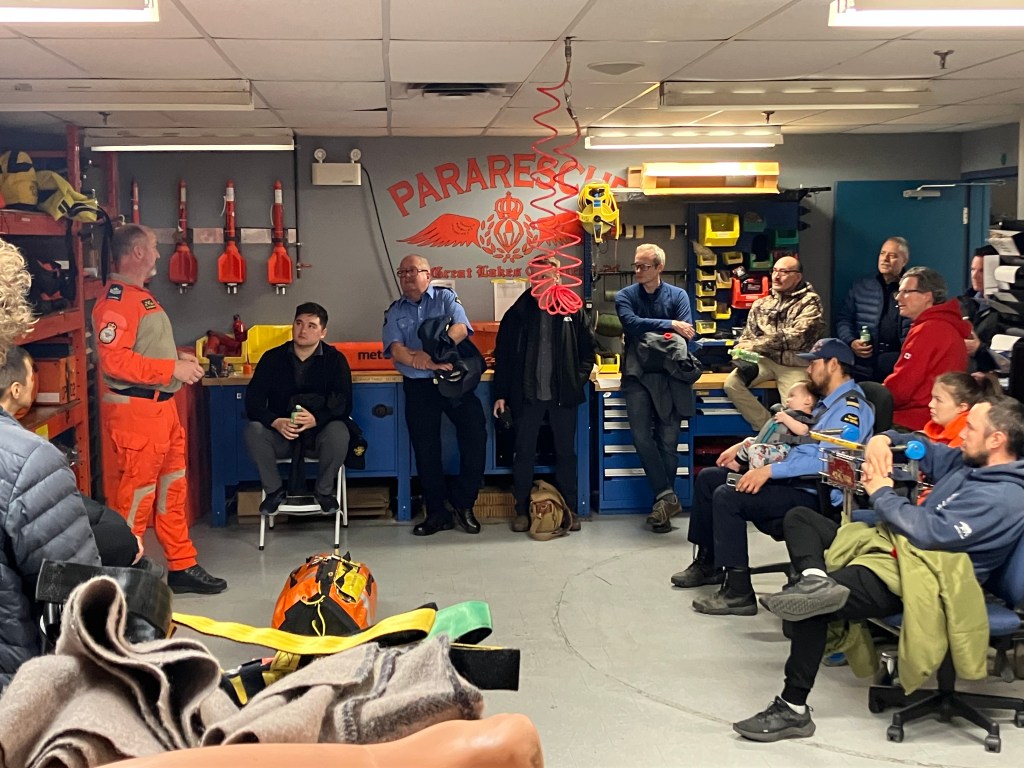
Community representatives on the Nunavut SAR Roundtable suggested an exchange between the Joint Rescue Coordination Centres (JRCC) and Nunavummiut responders could strengthen relationships and improve SAR operations in the region. They also wanted an opportunity to discuss SAR best practices with responders from other parts of the Arctic.
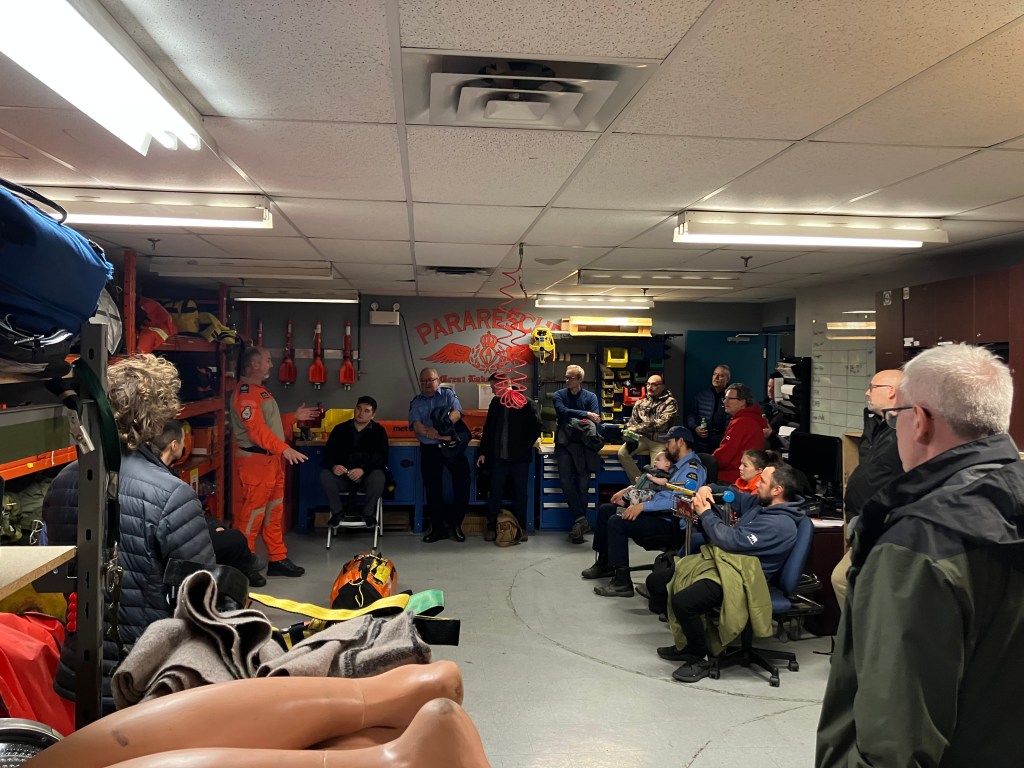
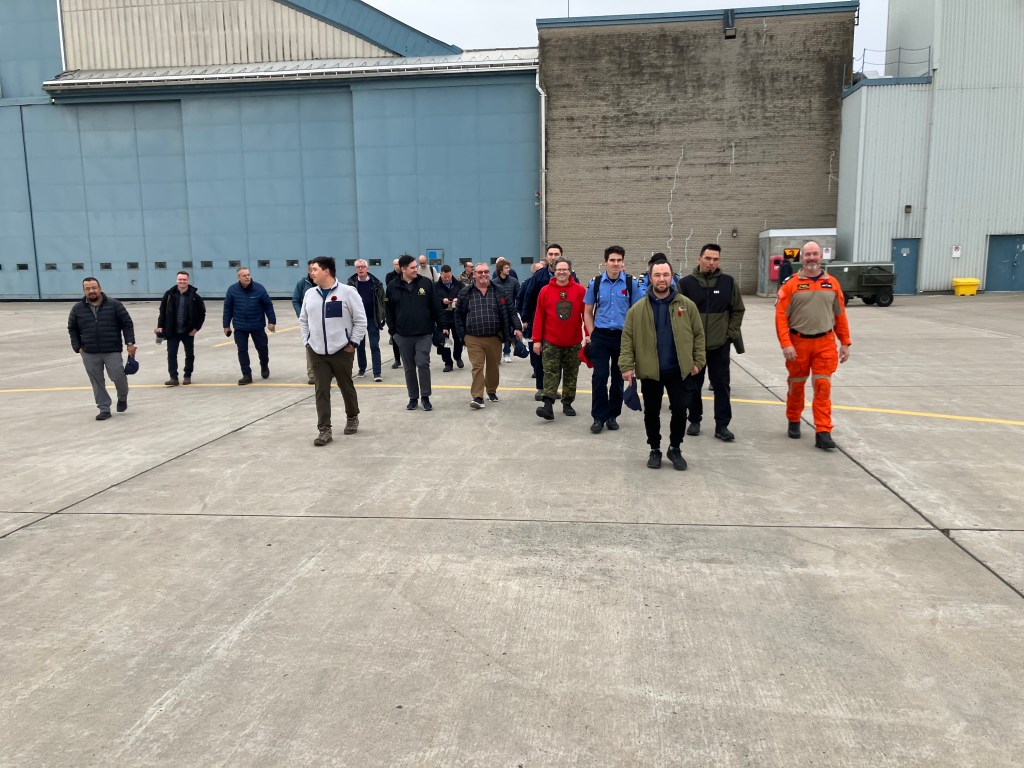
Working with Joint Rescue Coordination Centre (JRCC) Trenton, the roundtable’s academic partners arranged Arctic SAR Exchange 2023, which brought Northern responders from Nunavik, Nunavut, and the NWT to Canadian Armed Forces Base Trenton to learn how the JRCC functions, discuss operational level challenges, and strengthen collaboration. The exchange led to:
- better knowledge about different roles and responsibilities within the SAR system
- greater understanding of how local/traditional knowledge can enhance the support provided by the JRCCs,
- concrete steps to improve how JRCCs, RCAF personnel, Northern governments, and community responders work together during SAR operations
- the sharing of lessons and best practices between community responders from across the North
Responders also had the opportunity to learn about SmartICE – a social enterprise that provides communities with the situational awareness required to plan for safe on-ice travel and boating routes – and its use in SAR prevention and response.
Participants from the Nunavut SAR Roundtable included community responders Angulalik Pedersen, Savanna Moore, Bobby Klengenberg, Daniel Kablutisiak, Kaviq Kaluraq, Valerie Qaunaq, and Andrew Arreak, as well as Nunavut Emergency Management personnel Blaine Heffernan and Tony Comella.
Agenda and Participant List / Exchange Report




Territorial Roundtable 2024: SAR Coordination
Iqaluit, 15-17 November 2024
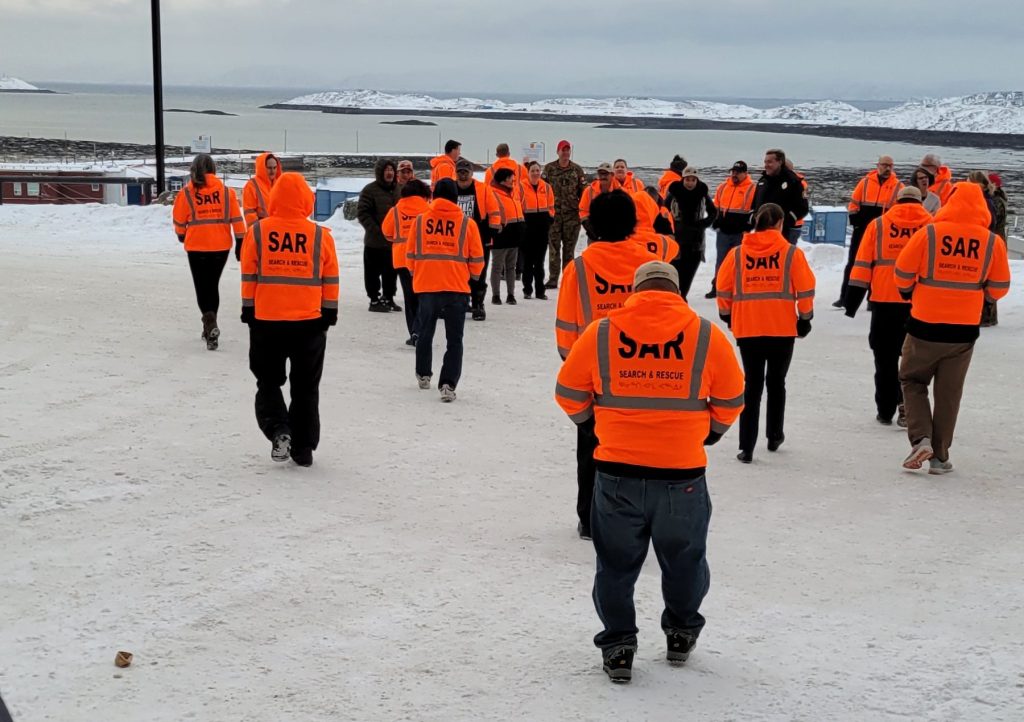
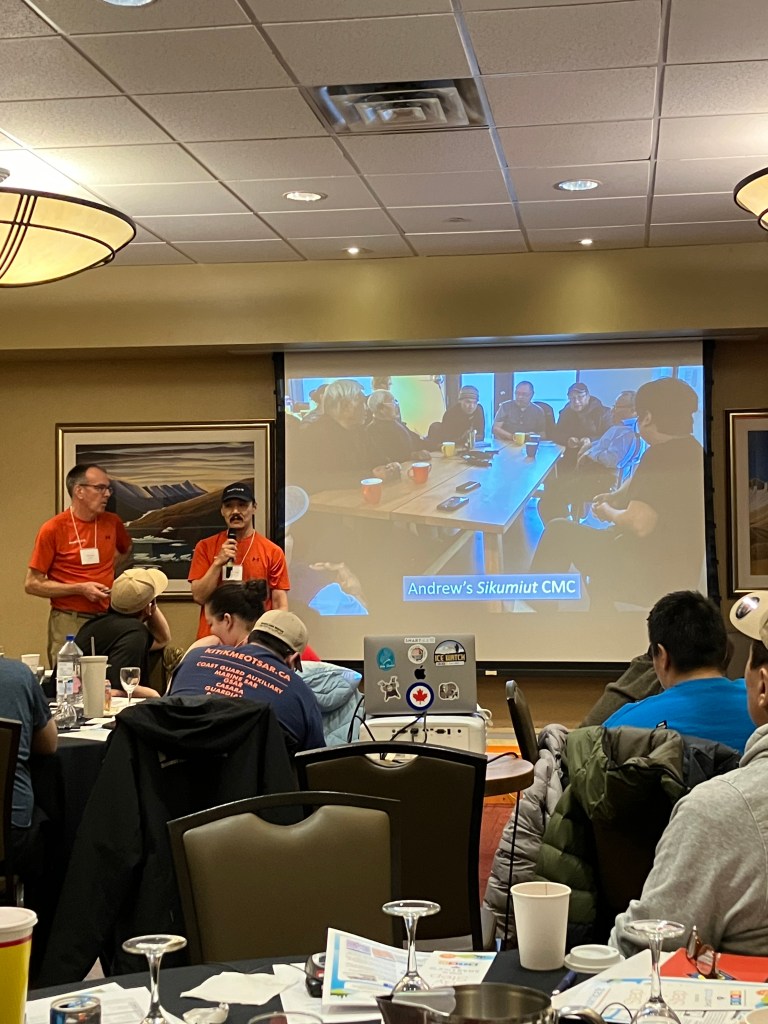
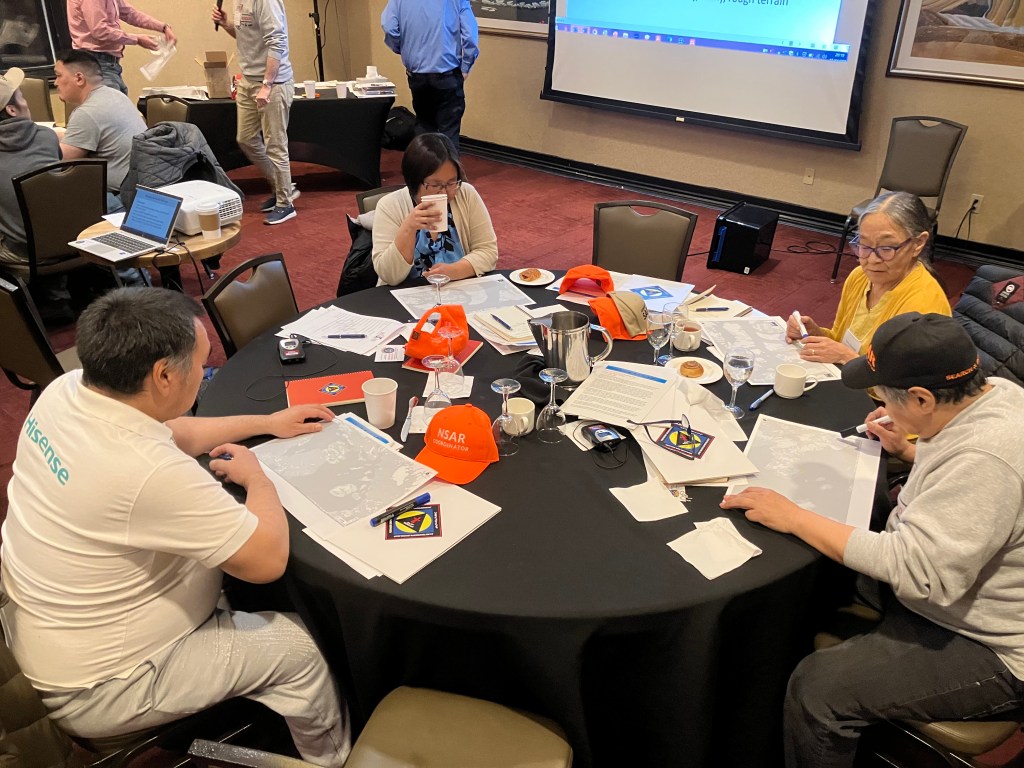
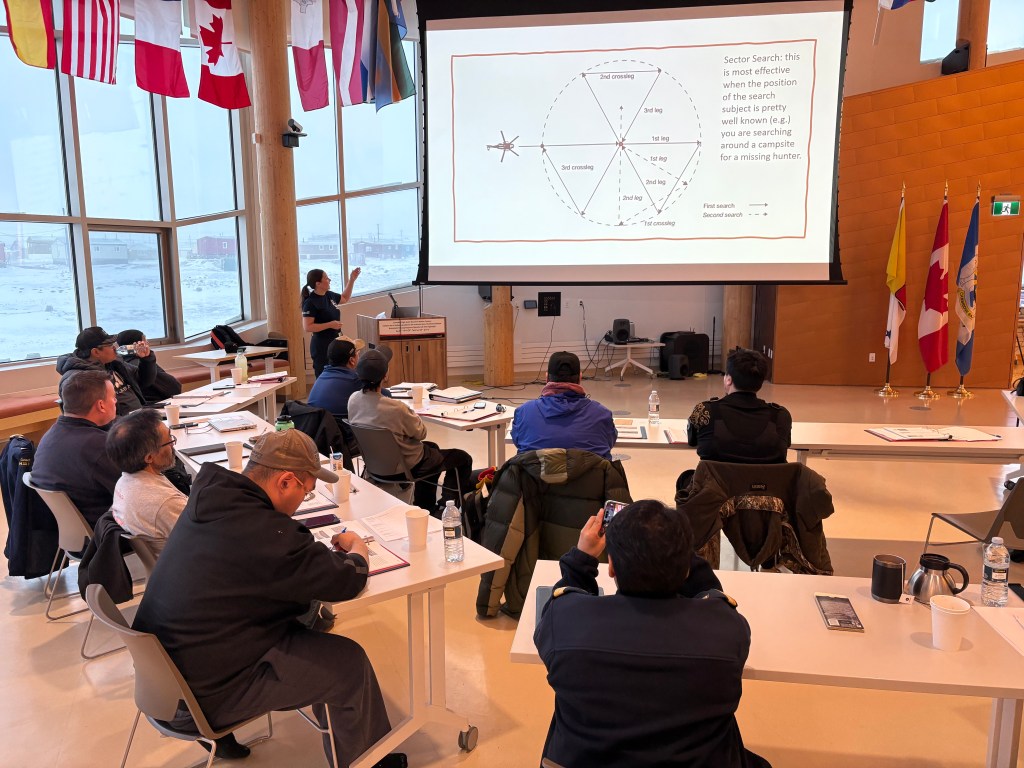
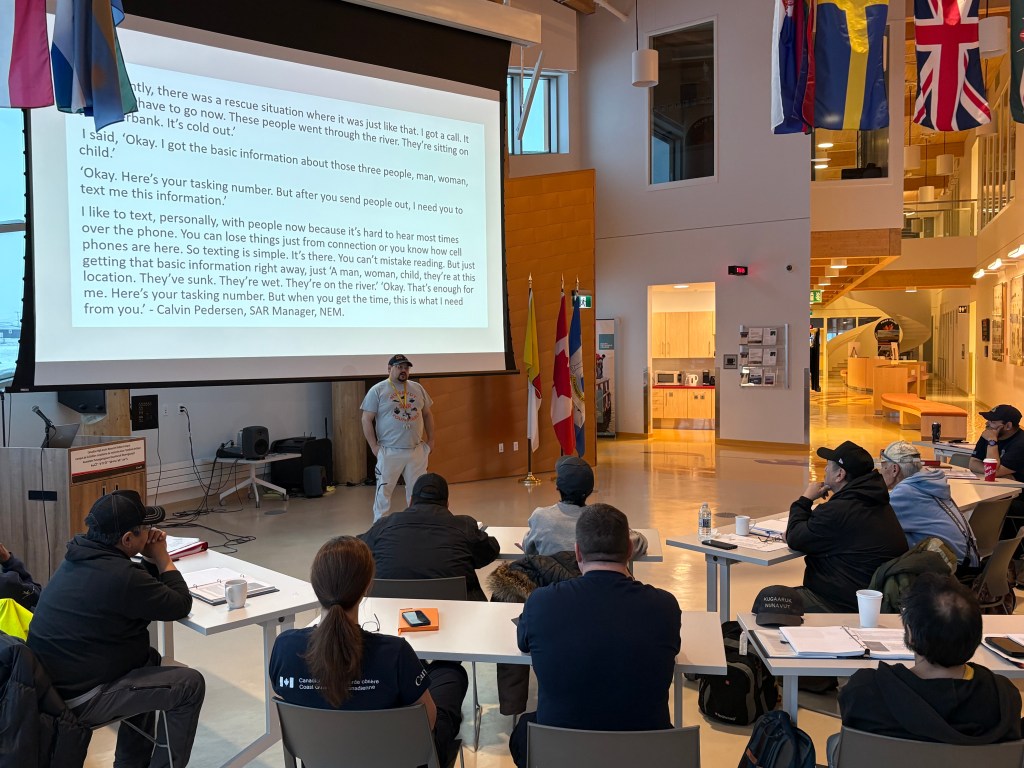
Nunavut SAR Roundtable 2024 focused on strengthening SAR management and coordination in the territory. To achieve this goal, we brought together the SAR coordinators from twenty-one communities and their core territorial, federal, and non-profit partners (other coordinators were unable to attend due to travel issues and operational requirements). As at previous roundtables, participants had the opportunity to discuss policies and procedures, share challenges and concerns, suggest improvements, learn from one another, and ask questions. In addition, this roundtable provided participants with guidance and training on search and rescue management, planning, and documentation, including best practices employed by experienced coordinators across the territory. Coordinators discussed their approaches to SAR operations and identified key areas for improvement. Finally, roundtable participants received direction on how to integrate SmartICE into SAR operations to improve search effectiveness and responder safety.
Agenda and Participant List / Roundtable Report




Arctic SAR Exchange 2025: Operating at the Speed of Trust
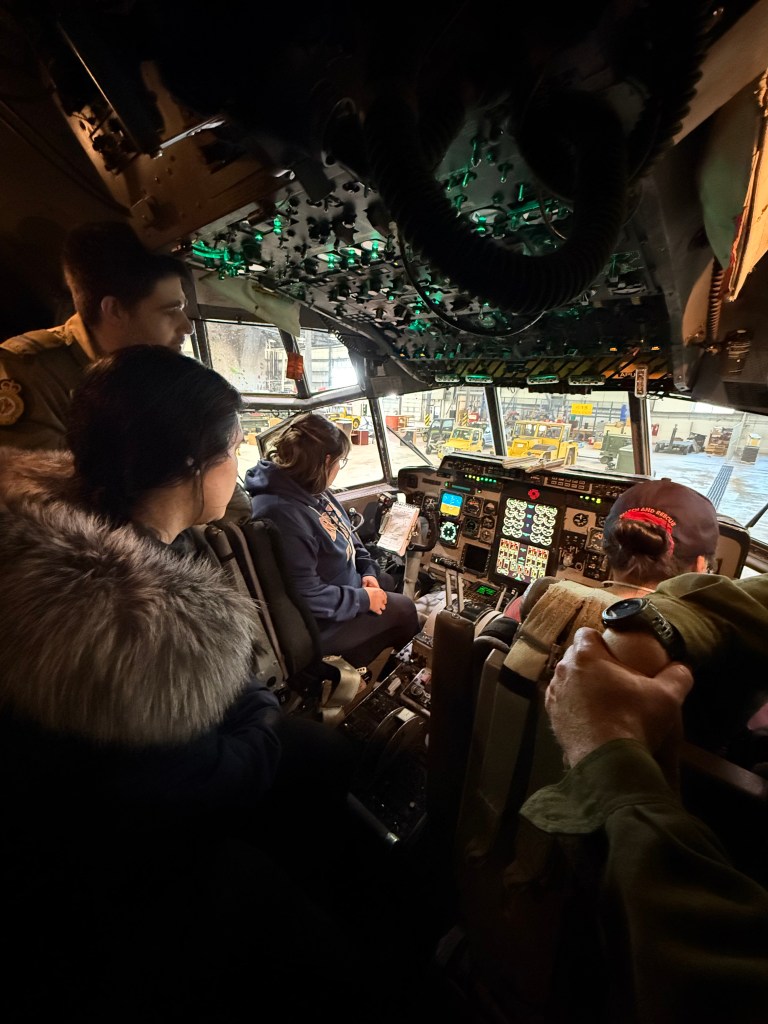
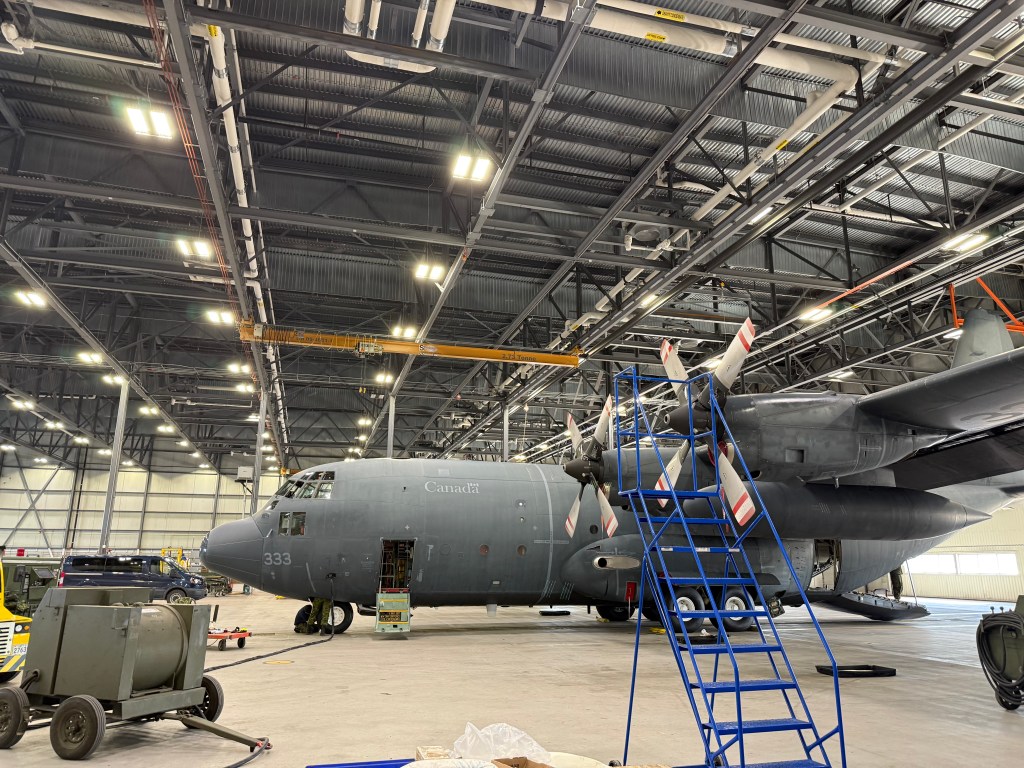
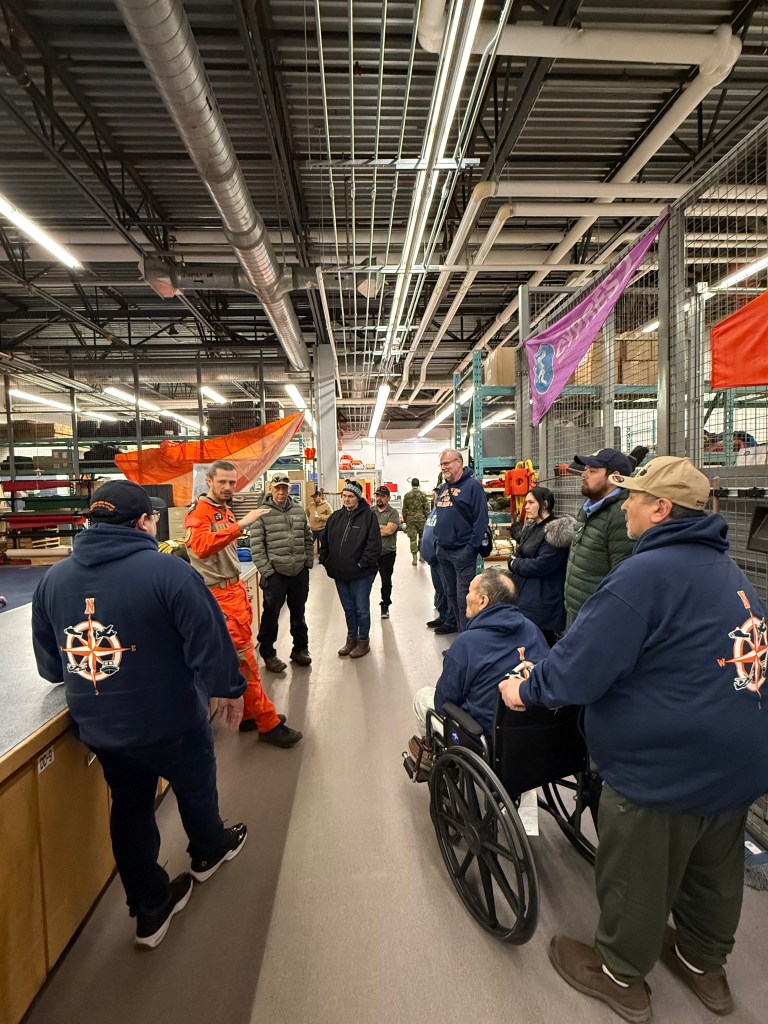
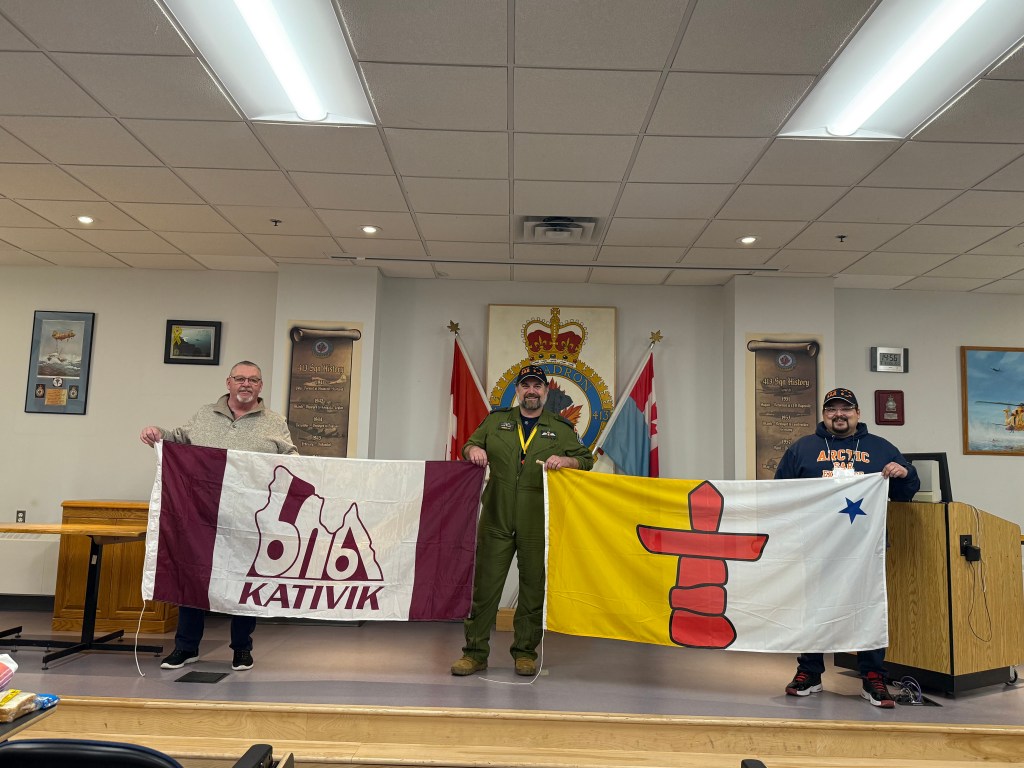
Halifax and Greenwood, Nova Scotia, 1-4 March 2025
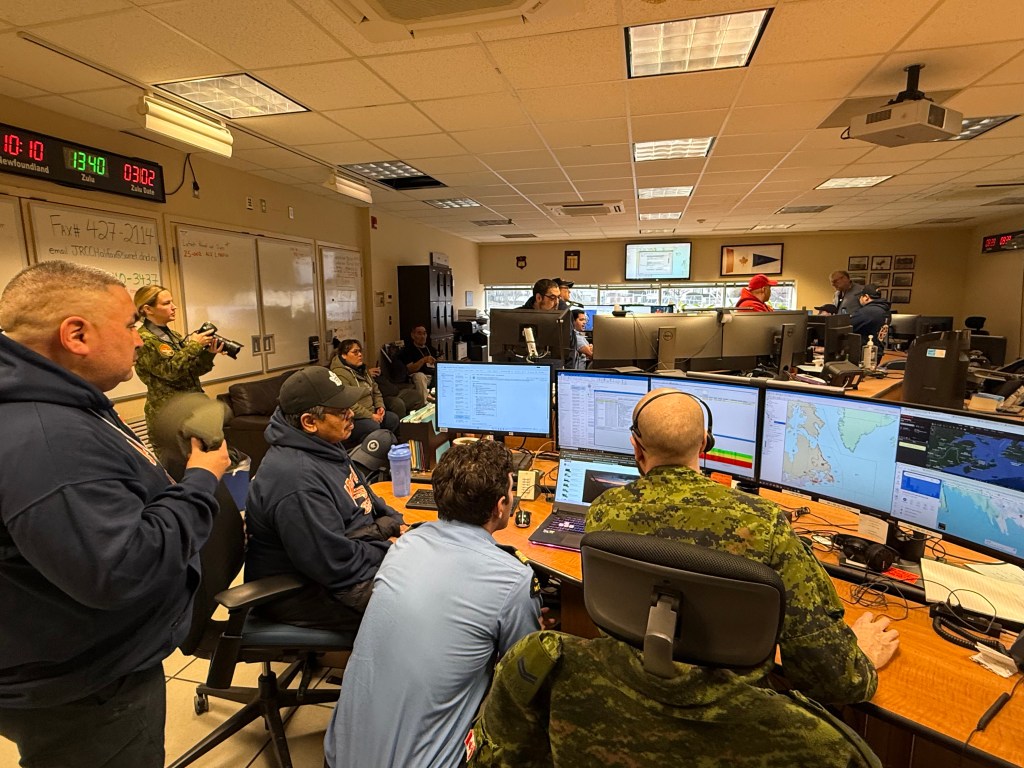
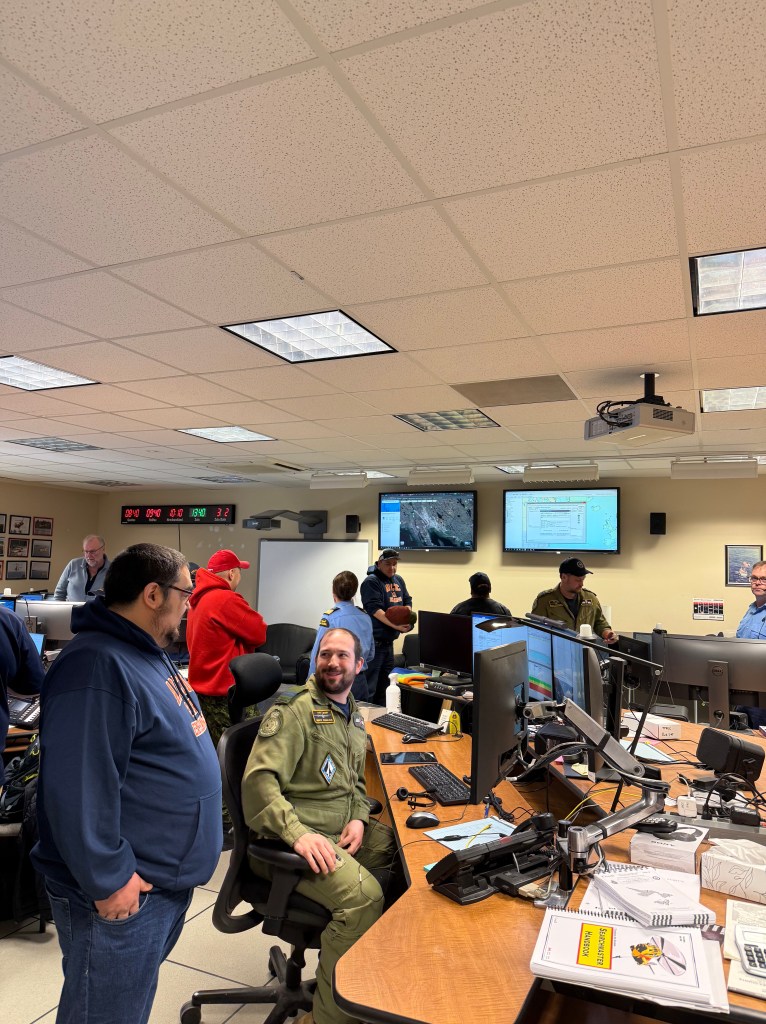
The Arctic Search and Rescue Exchange is built on one core idea: that relationships and collaboration constitute the foundation of an effective search and rescue system. Relationships rooted in trust and respect allow SAR team members and partners to work together during operations, to understand each other’s resources, capabilities, and limitations, and to overcome challenges.
A lot of progress has been made since Arctic SAR Exchange 2023 and the first Nunavik and Nunavut SAR Roundtables. Arctic SAR Exchange 2025 focused on how to build on these positive developments to strengthen and sustain the relationships, frameworks, and procedures that foster collaboration in Arctic SAR. How can we work better together? How can we operate at the speed of trust?
While we had this group of experienced SAR responders and researchers together, we also took time to work through areas for improvement, share best practices and lessons learned, and co-develop tools that can help make SAR operations more effective.
Agenda and Participant list / Exchange Report

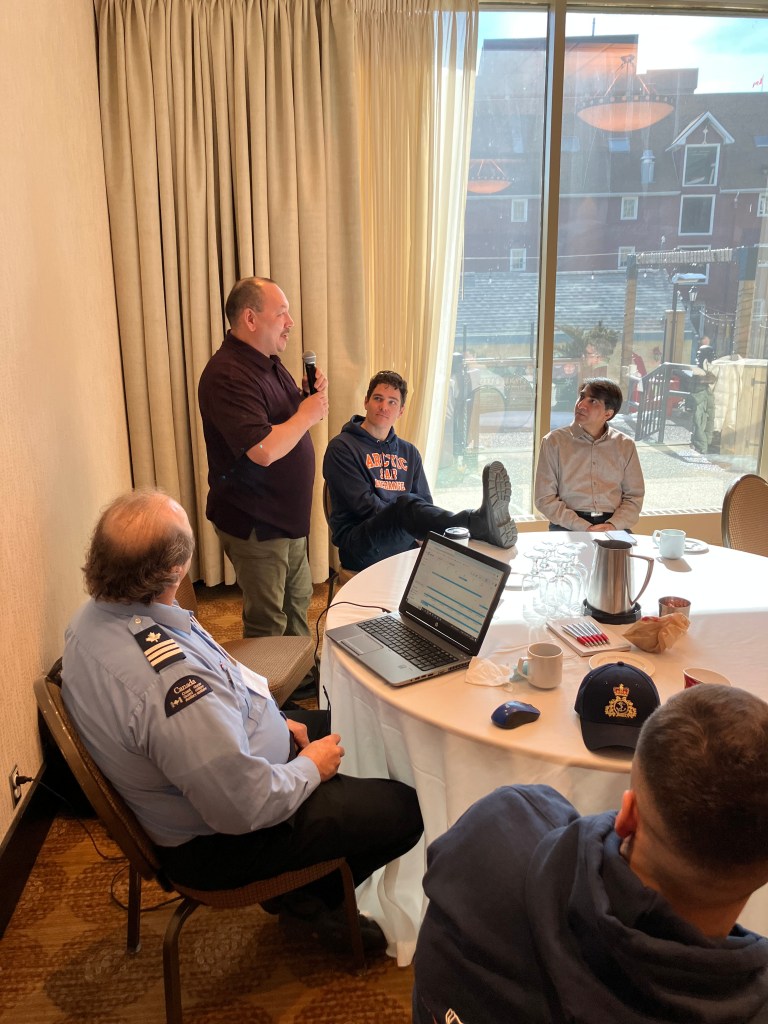
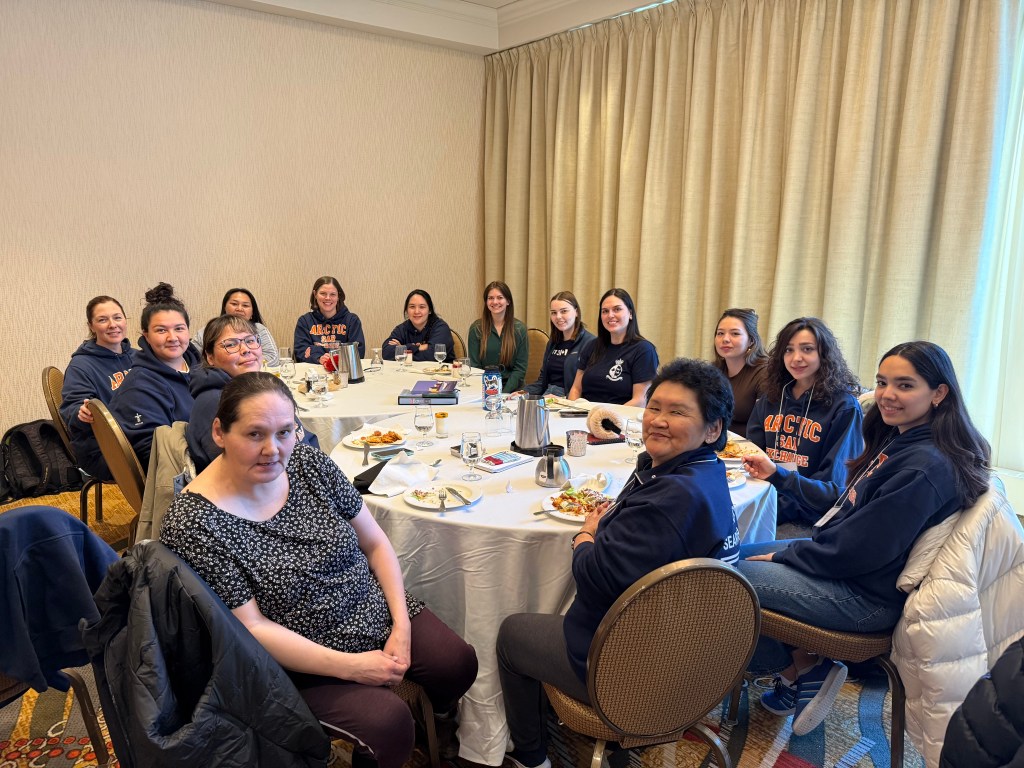
Nunavut SAR Roundtable 2025: SAR Training
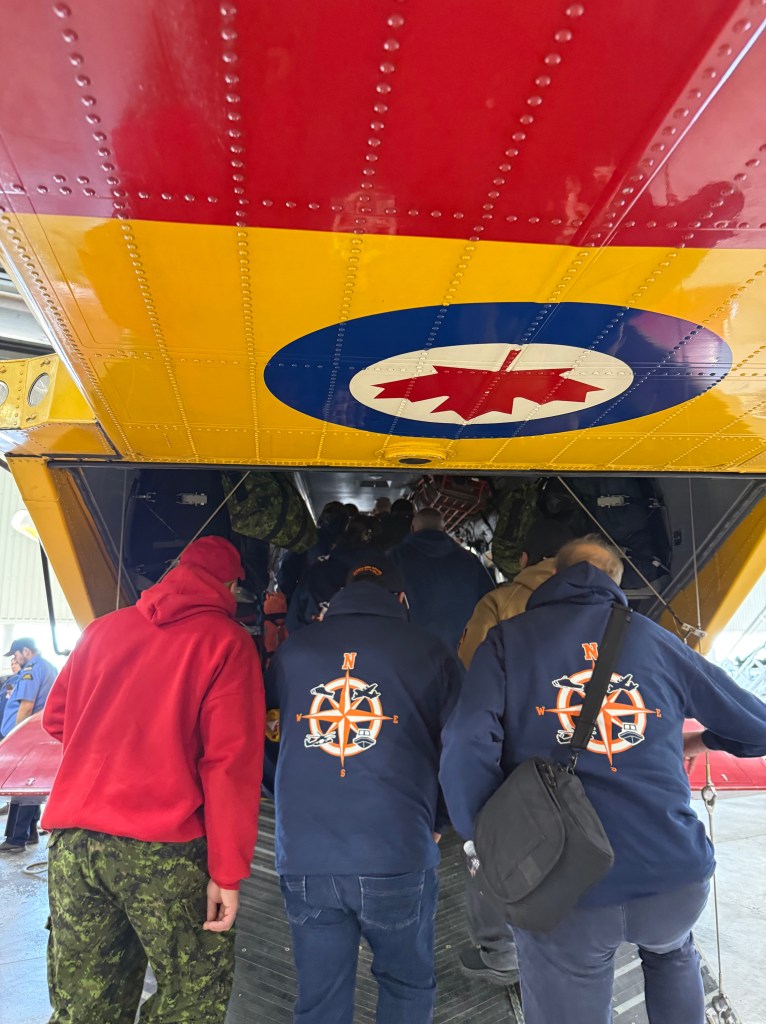
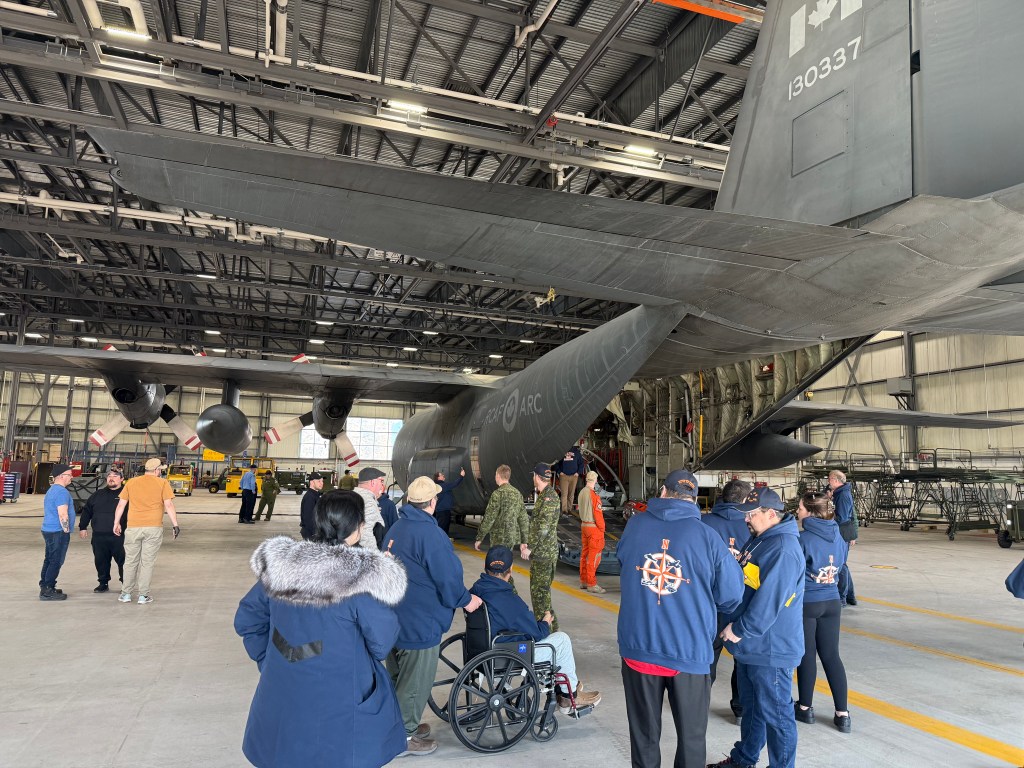
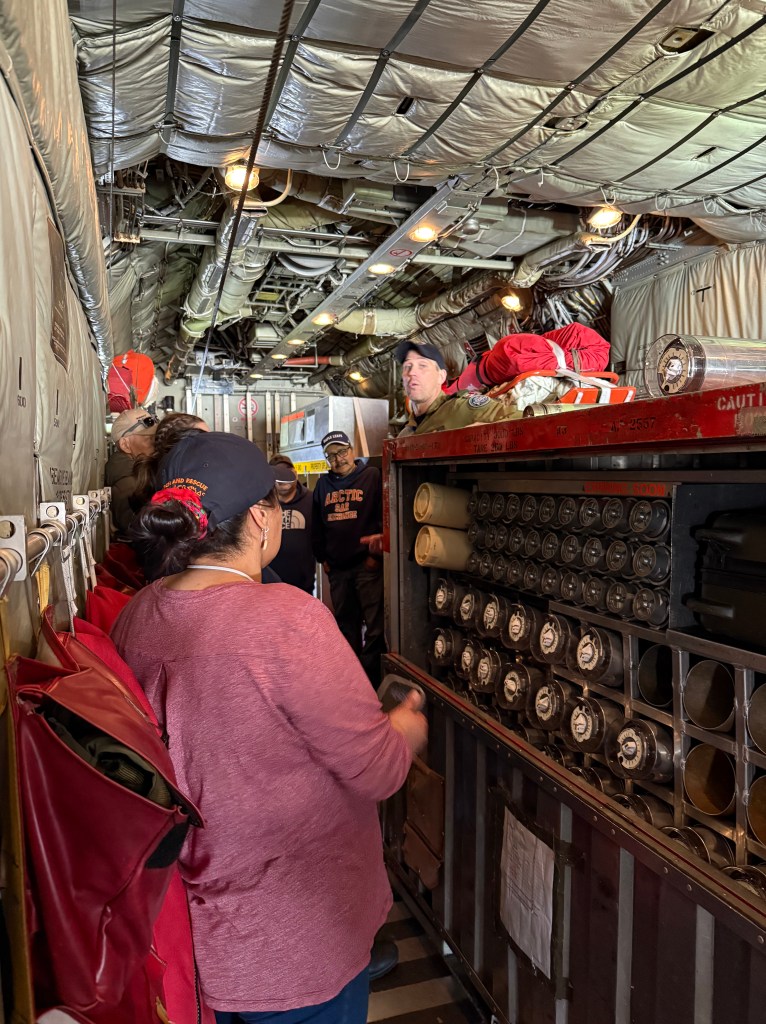
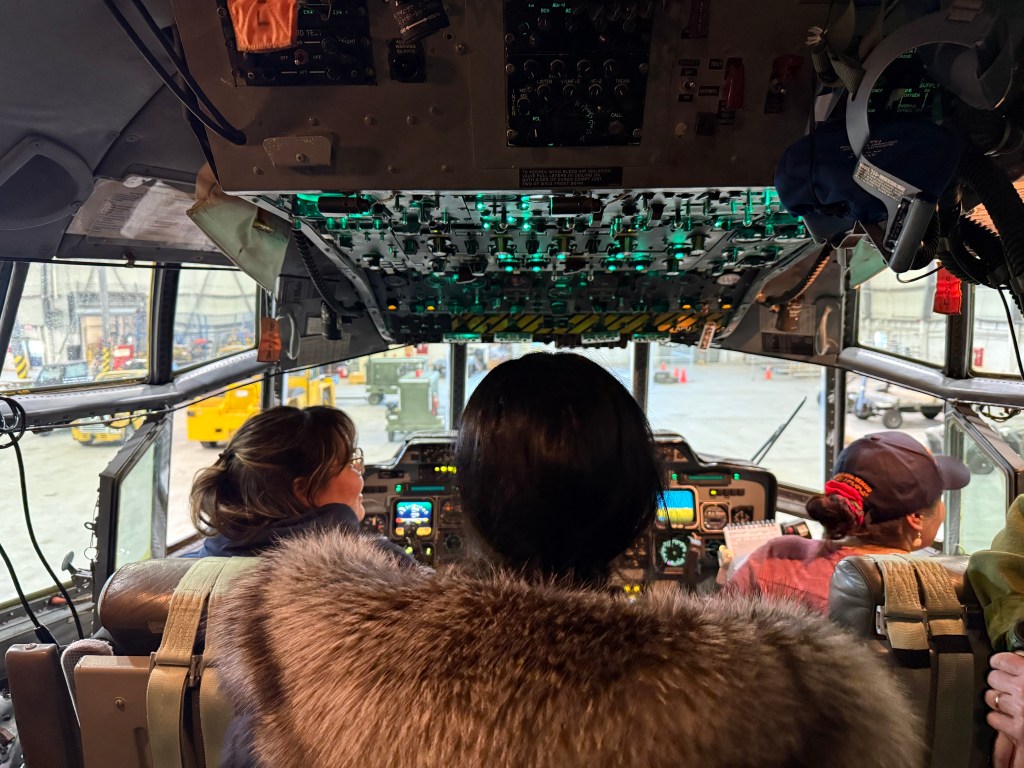
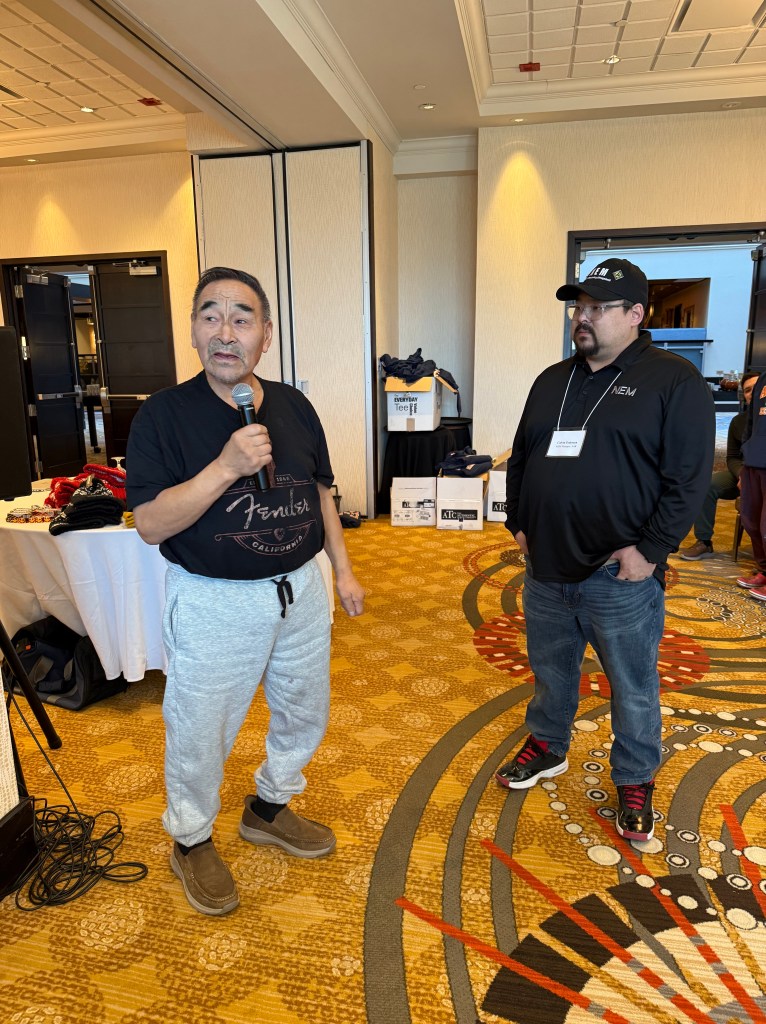
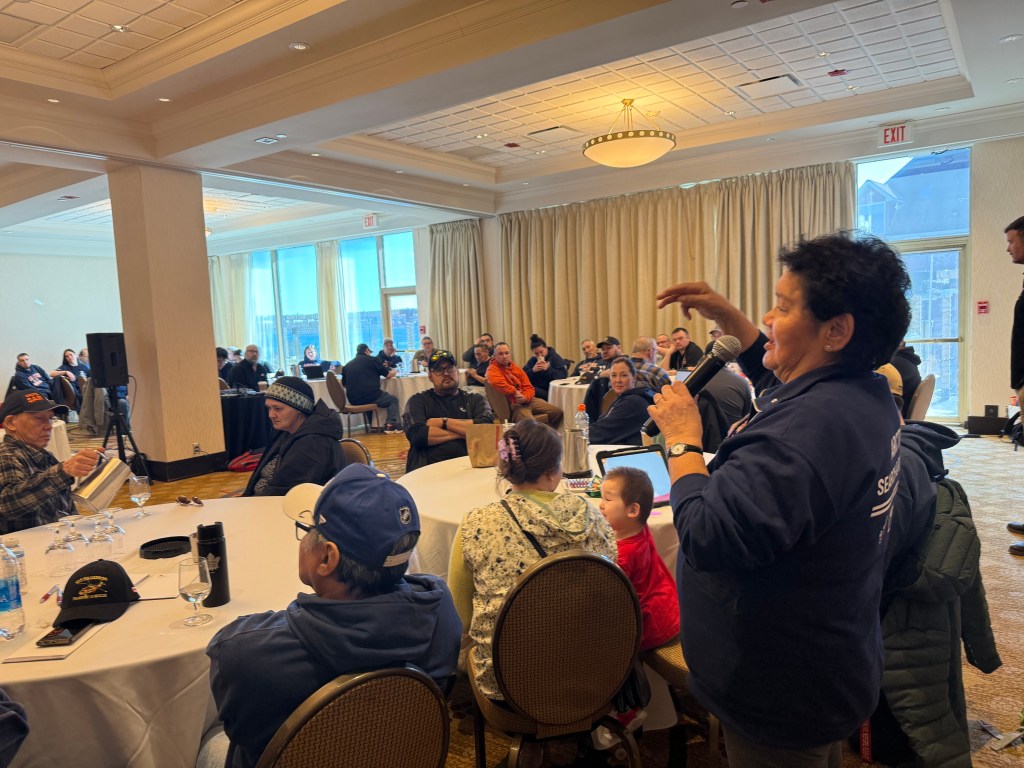
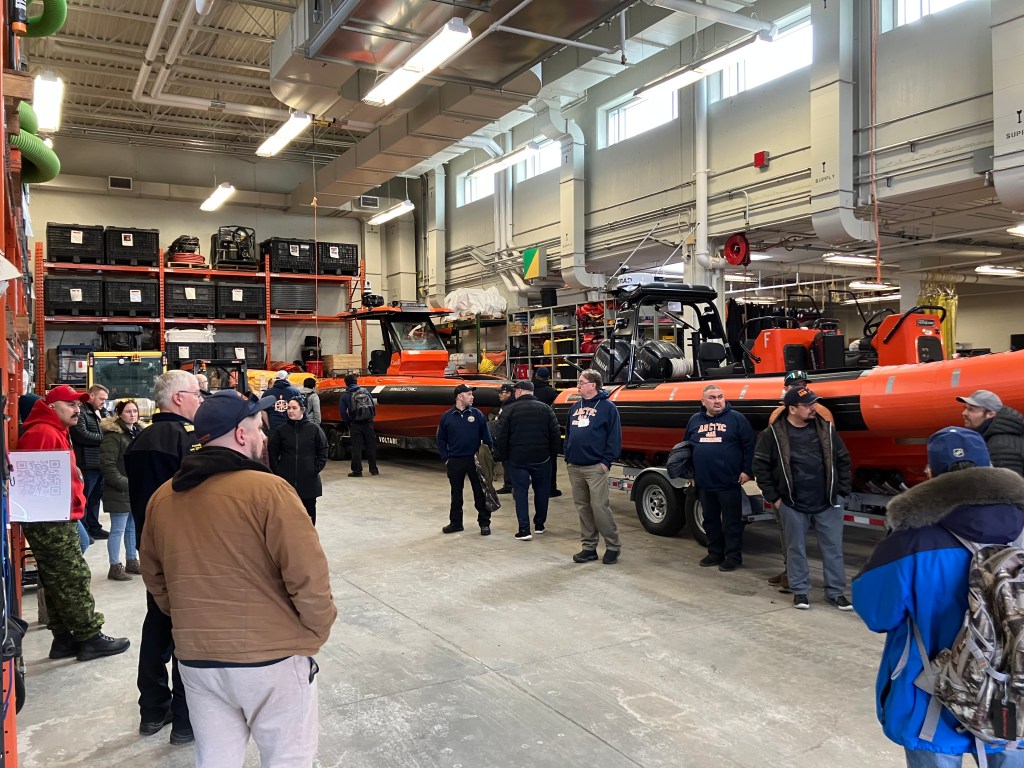
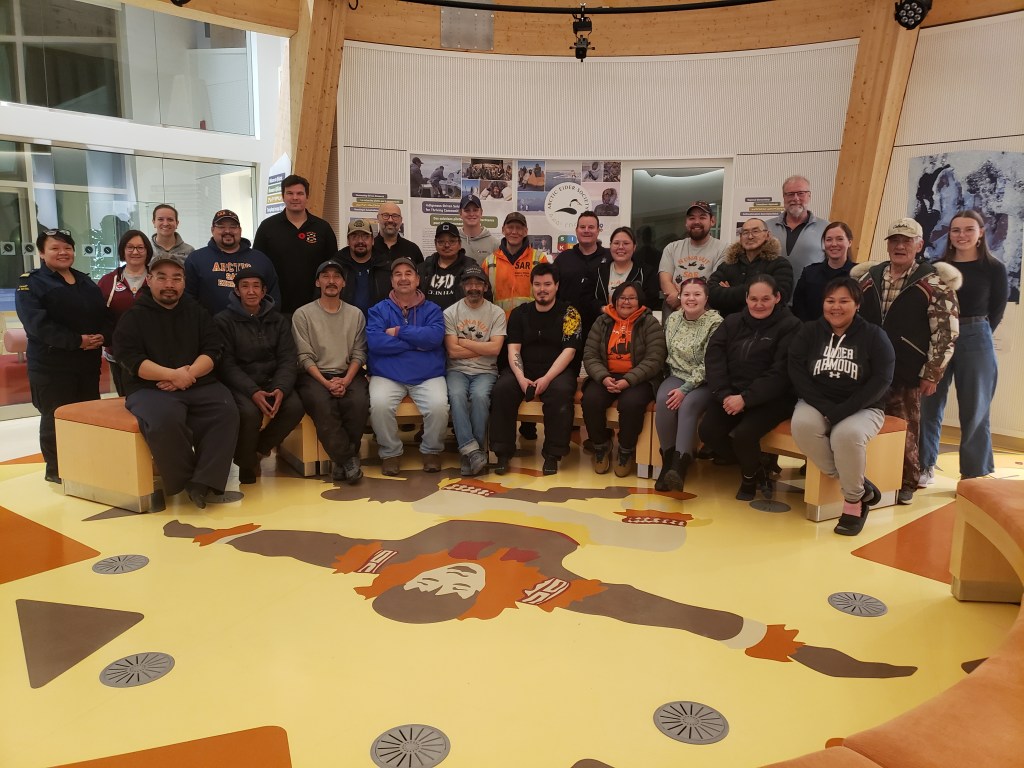
The original plan for 2025 was to hold two meetings of the Nunavut SAR Roundtable: the first in Cambridge Bay from 7–11 November and the second in Iqaluit in early December. Due to scheduling challenges, and to take advantage of the opportunity to align with the Arctic SAR Exchange 2026 in Belleville/Canadian Forces Base Trenton, Ontario, the second roundtable was rescheduled. As a result, it was held from 18–20 February 2026 alongside the Exchange, allowing participants to benefit from both events and maximizing engagement with key SAR partners.
These meetings focused on two initiatives:
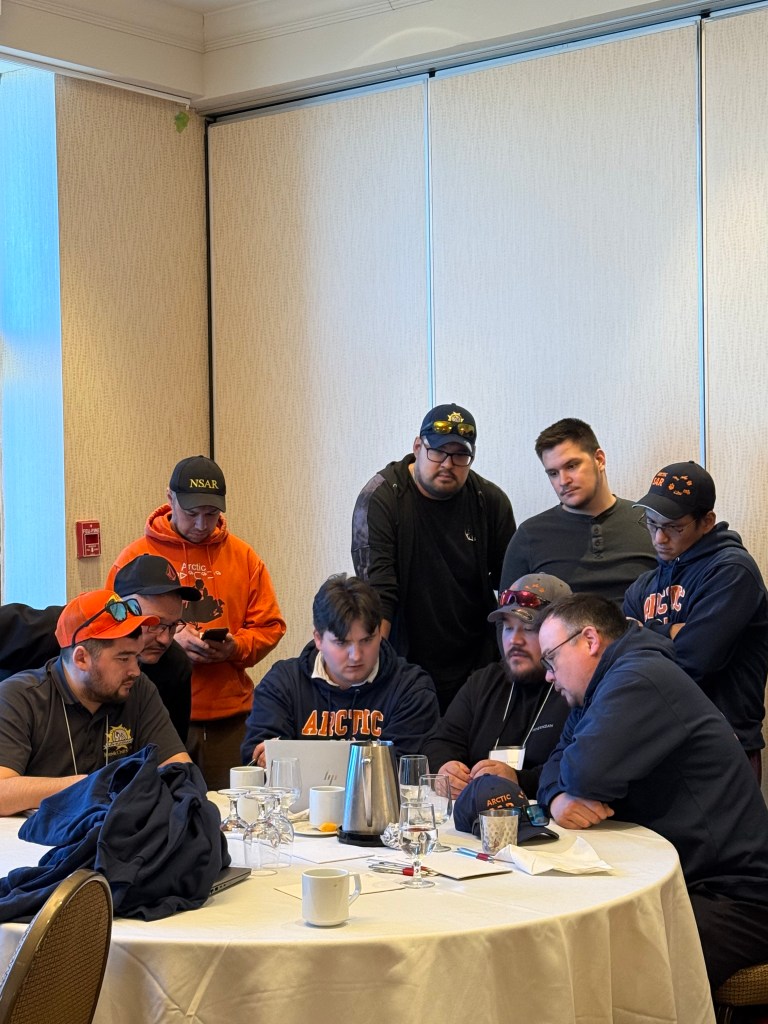
- Piloting the Nunavut SAR Coordinator Course: This course provides coordinators with practical guidance on managing, planning, and coordinating ground, marine, and aerial search and rescue operations. The course content is grounded in best practices identified by coordinators at previous roundtables, ensuring it reflects operational realities in Nunavut. Participant feedback was actively solicited and incorporated to refine and strengthen the course for future delivery.
- Co-Developing SAR Responder Training Materials: In close collaboration with the Cambridge Bay SAR team and other roundtable participants, we developed and filmed content for a short training film designed to introduce new SAR responders to essential, field-tested skills. During the second roundtable meeting, participants provided input on the accompanying written training materials, ensuring alignment with operational realities in Nunavut.
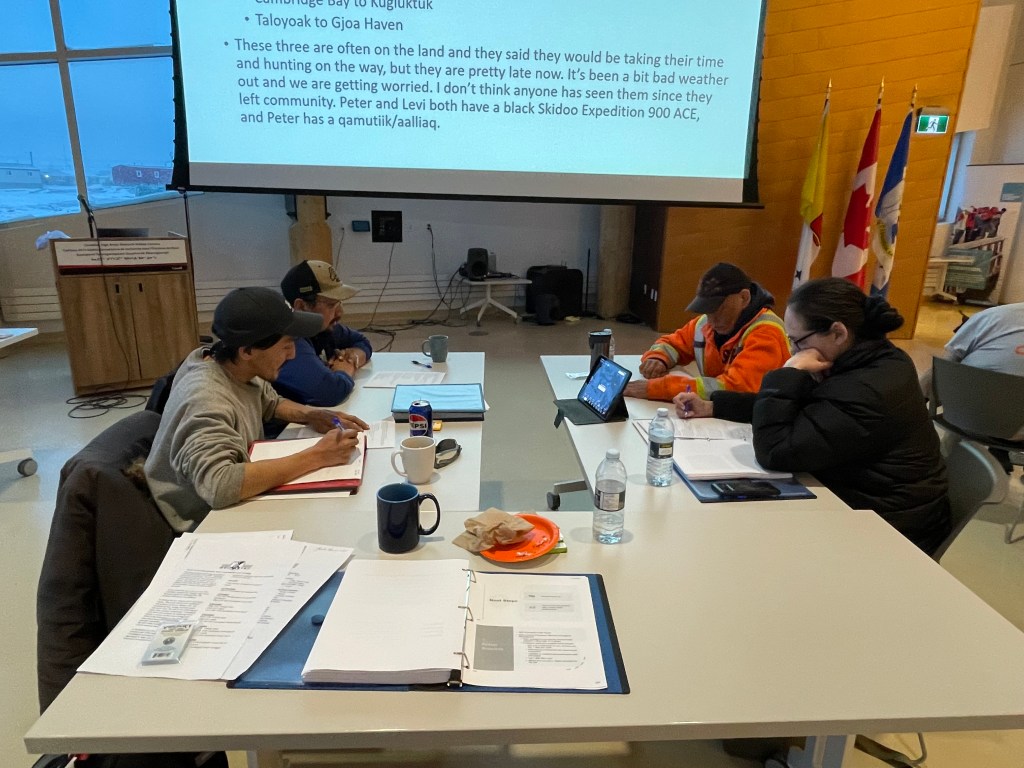
As at every roundtable, participants also had the opportunity to share improvements, ongoing challenges, and concerns, suggest improvements, learn from one another, and ask questions. Relationship-building is the overarching objective of the roundtable, so we consider the personal conversations shared over coffee and meals to be as valuable as any formal roundtable activities. As a result, these meetings involved many extended breaks and shared meals.
Roundtable 2025 Report and Participant List
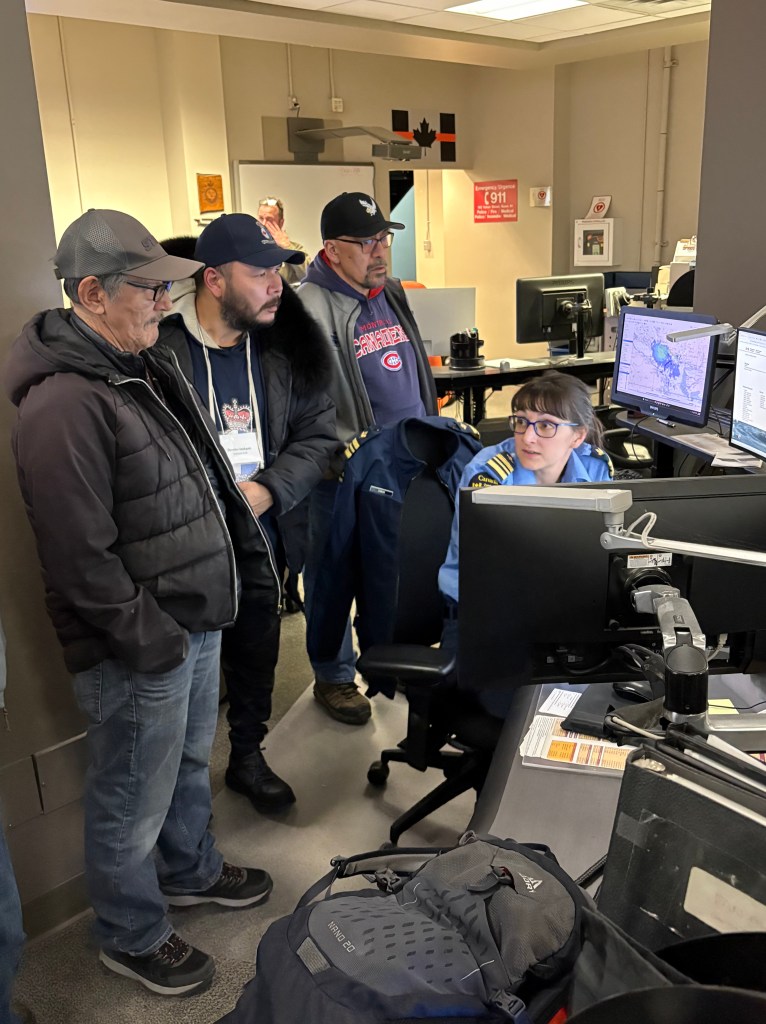
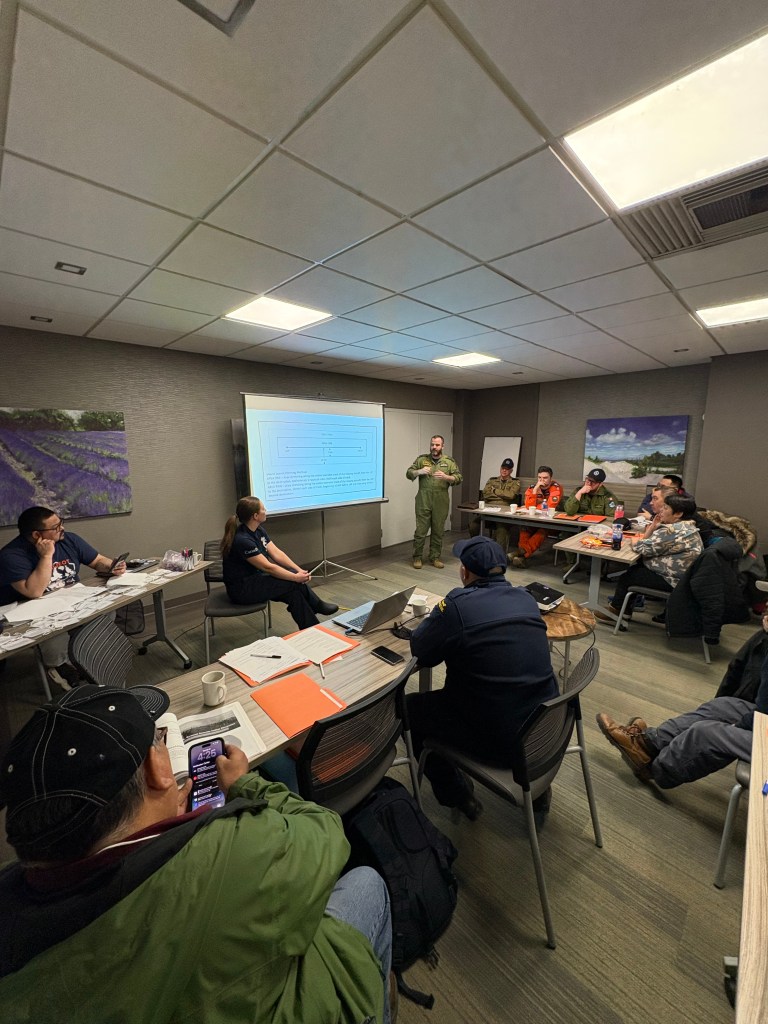
Roundtable Funding and Support
Funding and logistical support for the roundtable’s activities has been provided by:
- The Nunavut-Nunavik SAR Project, funded by the National Research Council of Canada and the United Kingdom Research and Innovation through the Canada-Inuit Nunangat-United Kingdom Research Program.
- Public Safety Canada’s Search and Rescue New Initiatives Fund
- Nunavut Emergency Management
- Canadian Coast Guard
- Department of National Defence
- Marine Environmental Observation, Prediction and Response Network
- North American and Arctic Defence and Security Network (network lead: Dr. P. Whitney Lackenbauer)
- Social Sciences and Humanities Research Council
- Irving Shipbuilding Chair funds of Peter Kikkert
- Canadian North

